
Engineers learn skills at warfighters’ workshop
Share the post "Engineers learn skills at warfighters’ workshop"

The forges have been running hot at Army’s School of Military Engineering at Holsworthy Barracks, where trade transfers and trainees fresh from recruit training are becoming the Royal Australian Engineers’ (RAE) newest sappers as they complete their initial employment training.
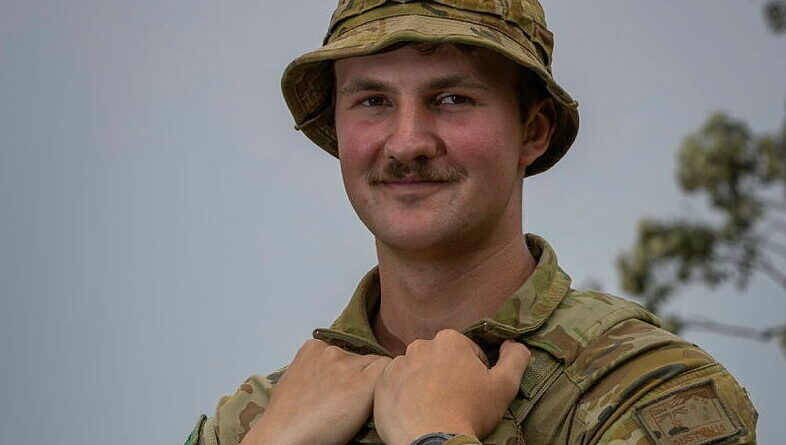
CAPTION: Sapper Brodie Tarleton from 3 Troop School of Military Engineering at the Direct Fire Support Weapons range as part of initial employment training at Holsworthy Barracks, Sydney. Story by Captain Aaron Pegram. Photo by Leading Seaman Kylie Jagiello.
During the three-month course at Army’s premier training facility for engineers, trainees are immersed in a range of engineering skills, including bridging, concreting, demolitions, high explosives and weapons qualifications.
They also learn the basics of hand-to-hand combat, chainsaw operation and other essential soldiering competencies.
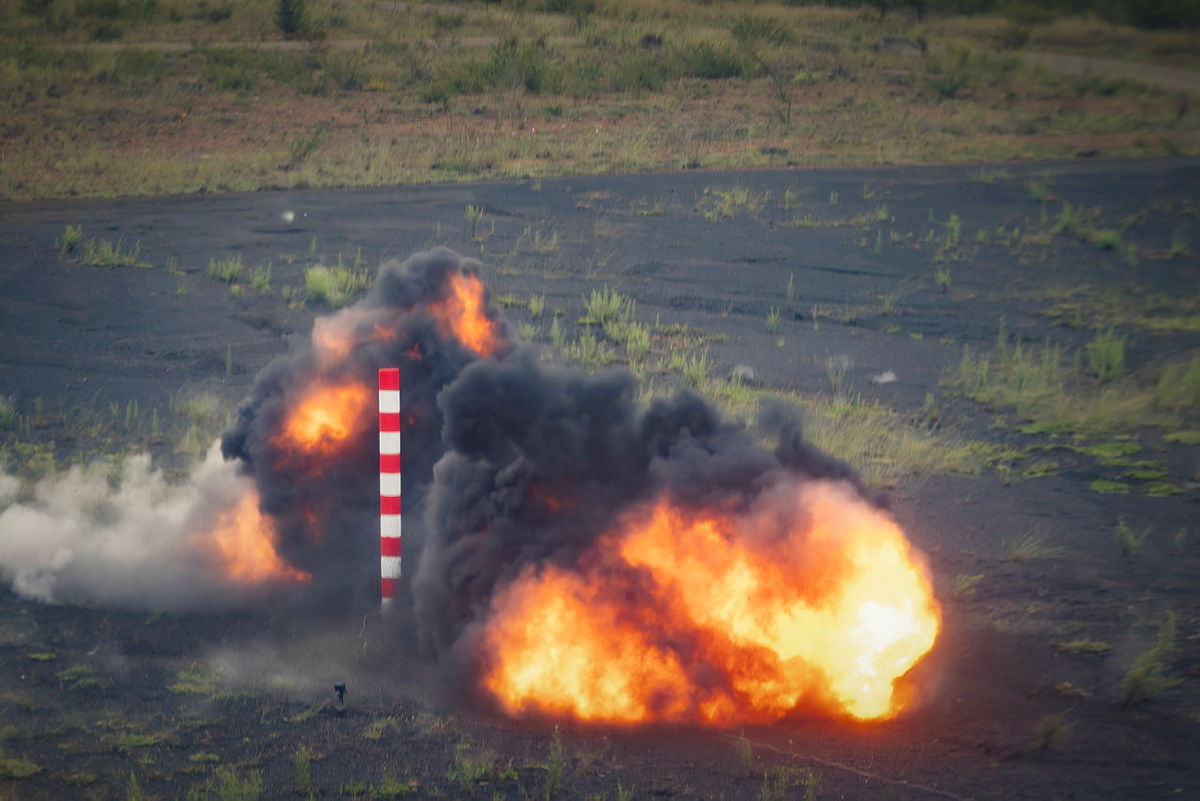

CAPTION: Soldiers from 3 Troop School of Military Engineering detonate an M18A1 claymore as part of initial employment training at Holsworthy Barracks, Sydney. Photo: Leading Seaman Kylie Jagiello.
While much of the training forms the foundation of Army’s combat engineer capability, the school’s output extends well beyond the battlefield.
It also produces qualified carpenters, electricians, plumbers and plant operators who deliver specialised engineering effects across Army’s broader mission sets.
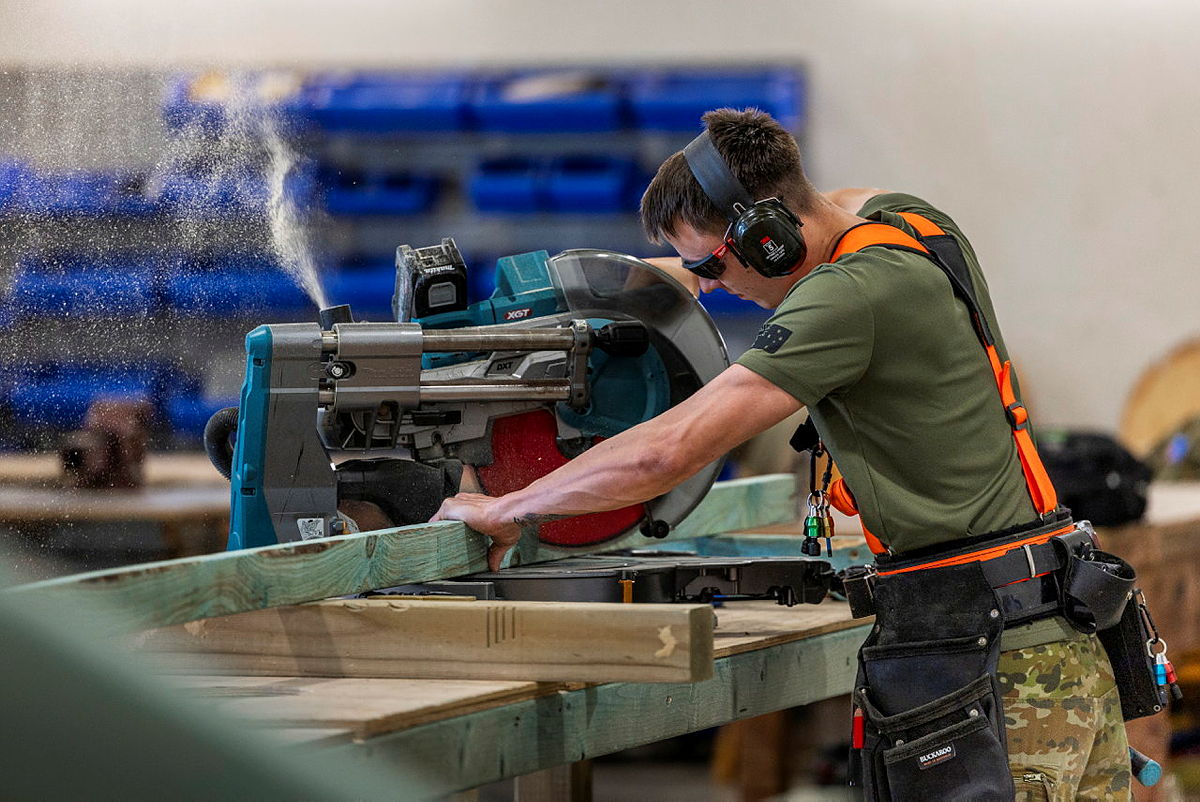
CAPTION: An Army sapper cuts timber for a support beam during initial employment training at the School of Military Engineering, Holsworthy Barracks, Sydney. Photo by Corporal Jack Pearce.
Trainees arrive with varied backgrounds and experiences, including some who have transferred from other corps.
Private Brodie Tarleton, from Orange, NSW, joined the Army from school as a vehicle mechanic before recently transferring to RAE to train as a combat engineer.
“I’ve really enjoyed the course so far.
There’s been a lot of diverse training like bridging, concreting, shooting and explosives,” Private Tarleton said.
“It’s been great to be exposed to so many different things. I’ve learnt a lot about myself – pushing myself physically and mentally, and doing it as part of a team.
Army engineers enable the movement of people and equipment across waterways and complex terrain to support the combat brigades.
Their diverse skills allow commanders to overcome natural and man-made obstacles to maintain momentum on operations.
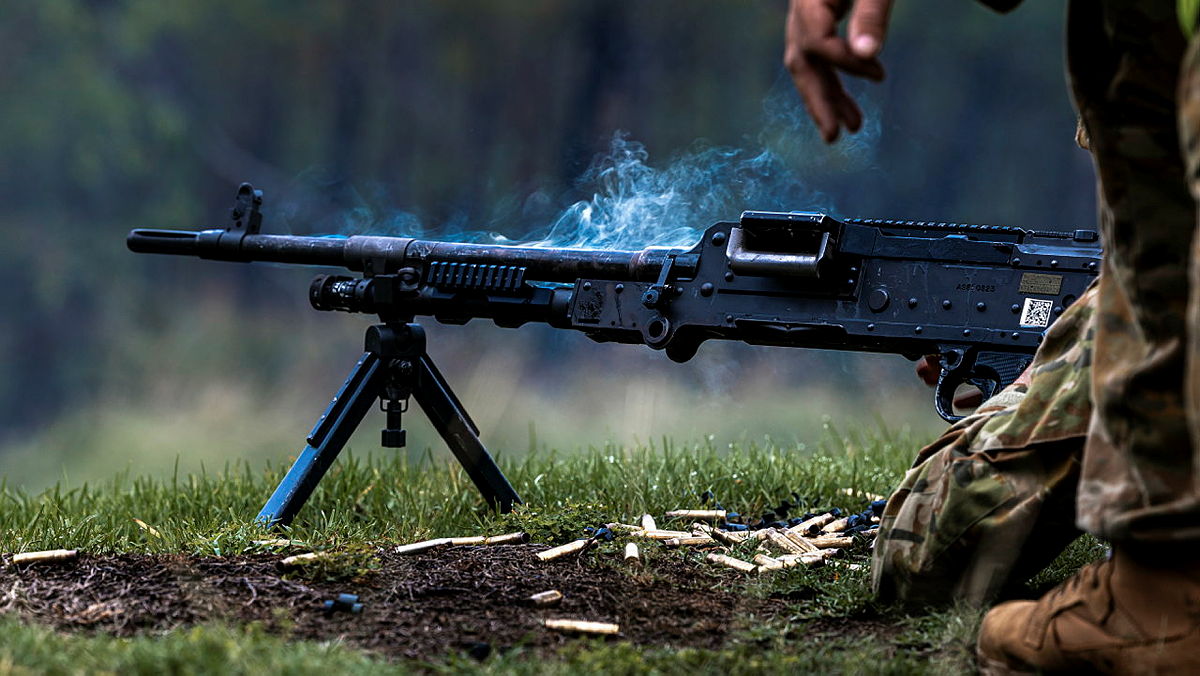
CAPTION: Sappers from 3 troop School of Military Engineering conduct a live-fire with the MAG 58. Photo by Corporal Jack Pearce.
The school’s Commanding Officer Lieutenant Colonel Thomas Whale said there were diverse career opportunities within the trade.
“There are so many different roles you can explore,” Lieutenant Colonel Whale said.
“A lot of people don’t realise you can join Army and learn a trade like plumbing, electrical work or carpentry, or operate large plant equipment – all of which are skills that can set you up for life.
.
.

.
.


