
Aircraft with rich history retires from service
Share the post "Aircraft with rich history retires from service"

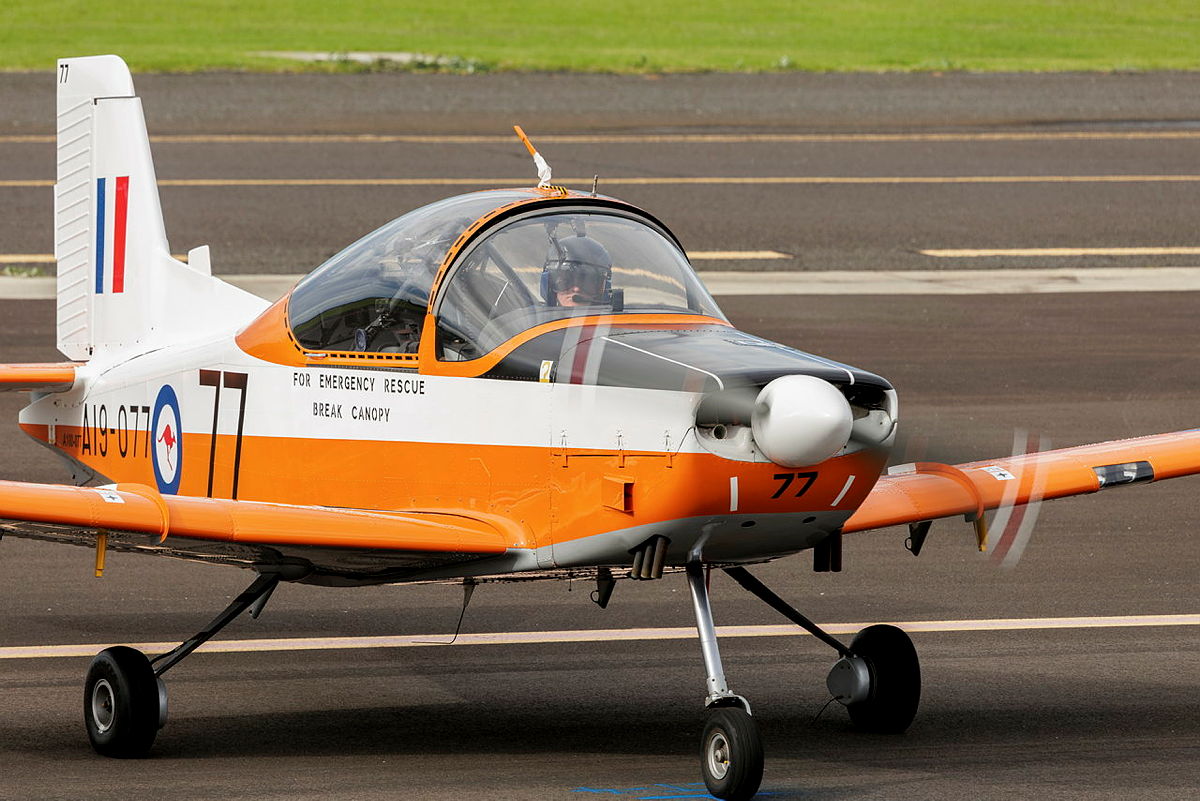
Nearly five decades after introducing generations of military aviators to flight, the Royal Australian Air Force’s CT4A trainer aircraft has completed its final flight.
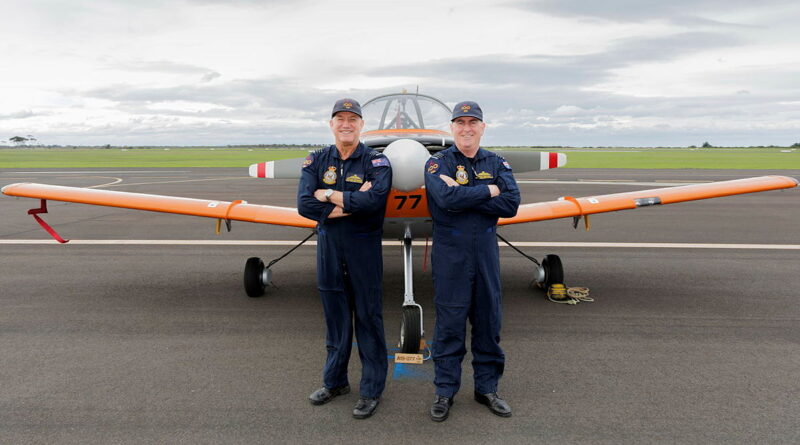
CAPTION: Commanding Officer 100 Squadron Richard Brougham and Wing Commander David Chaplin farewell the CT4A at RAAF Base Point Cook, Victoria. Story by Flight Lieutenant Holly Ryan. Photos by Leading Aircraftman Jonathon McCaffrey.
On June 18, the iconic aircraft took to the skies above RAAF Base Point Cook one last time, closing a chapter in Australian military aviation history at the very place where both the Royal Australian Air Force and the CT4A’s service journey began.
Its retirement marked the end of an aircraft type that quietly shaped generations of military air power.
Introduced into Royal Australian Air Force service in 1975, the Australian-built CT4A became the first military aircraft thousands of aviators would fly.

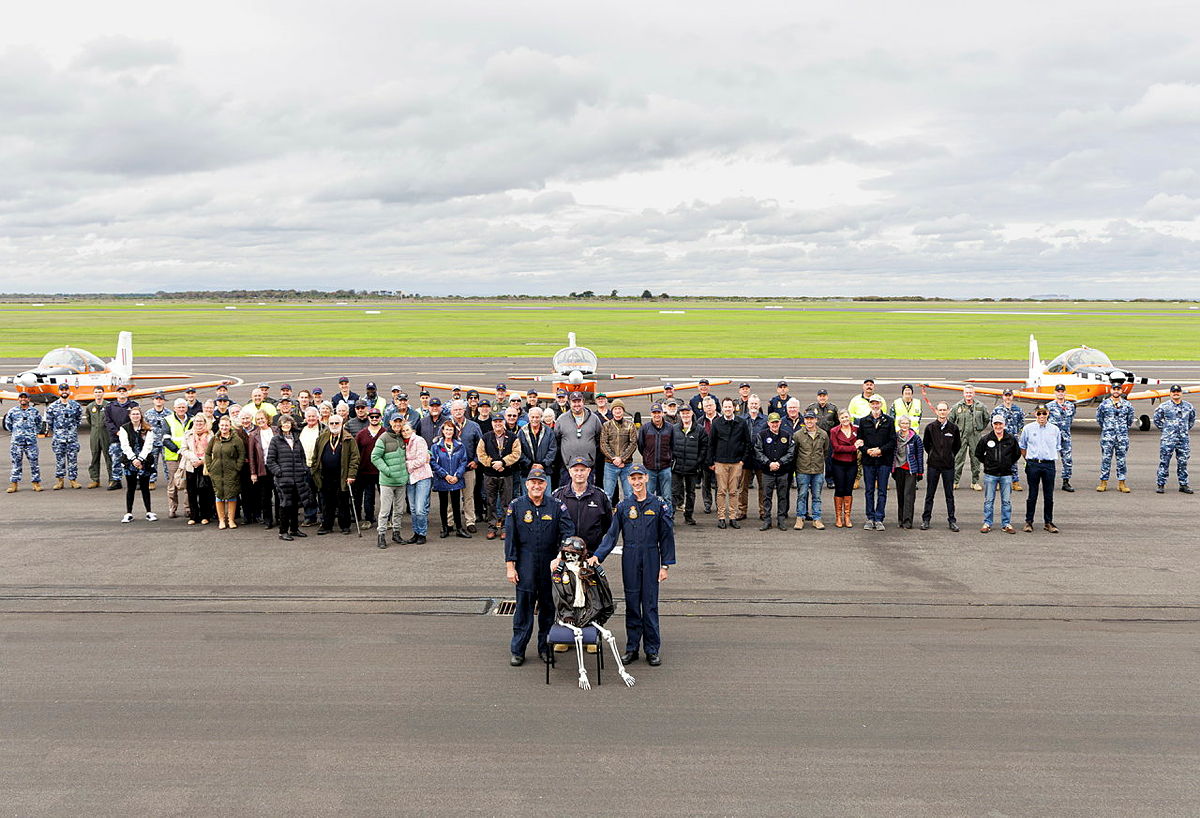
CAPTION: Personnel from 100 Squadron farewell the CT4A at RAAF Base Point Cook, Victoria.
For decades, it provided the foundation upon which operational careers were built.
Wing Commander David Chaplin, who piloted the final display flight, knows that legacy firsthand.
“There’s a whole lot of air power that has come from this aircraft,” Wing Commander Chaplin said.
“It was the first powered aircraft I flew.
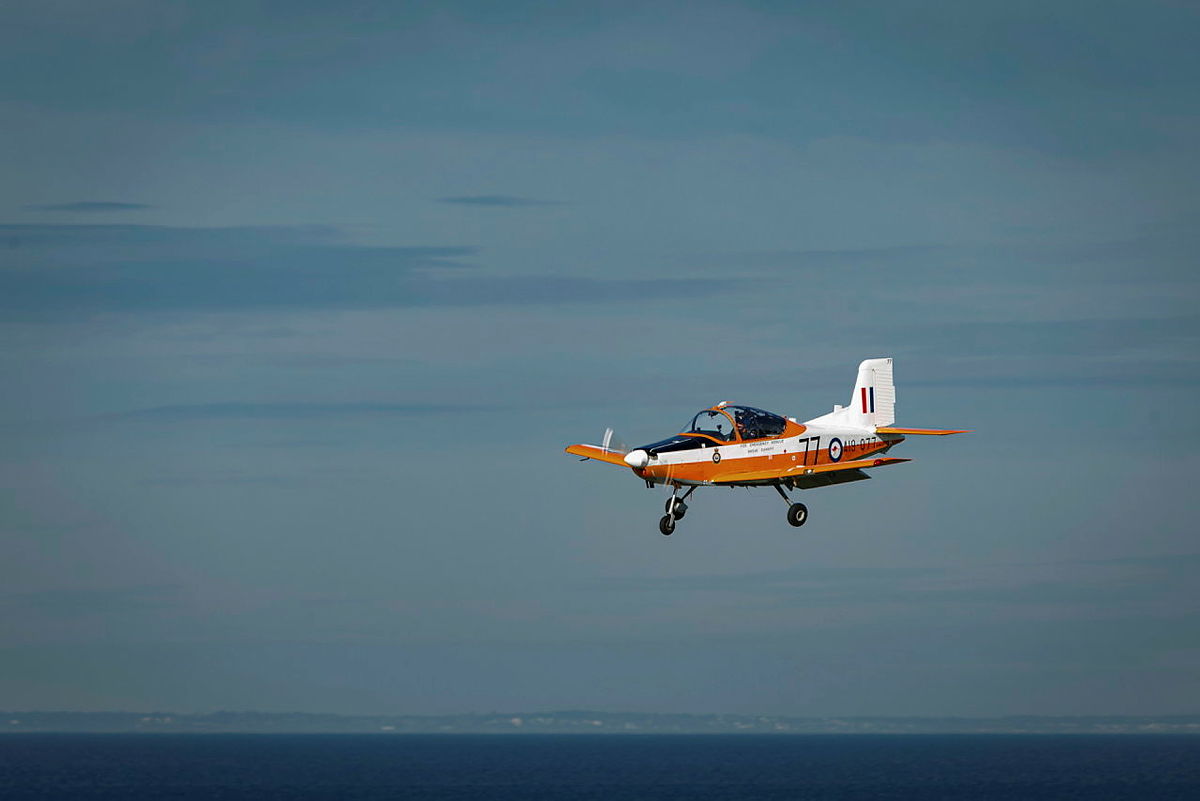
CAPTION: A CT4A descending to land.
“I joined the Royal Australian Air Force here at Point Cook in January 1980 and, when we arrived on base, all we could see were CT4s flying around.”
For many aviators, the distinctive silhouette and bright colours of the CT4A became synonymous with the beginning of a military flying career, with the aircraft being the catalyst for members to fly some of Australia’s most advanced air-combat, air-mobility, maritime-patrol and rotary-wing capabilities.
“Pretty much everybody who came through the services completed training on that aeroplane – army, navy and air force,” Wing Commander Chaplin said.
Its final display flight over Point Cook represented a tribute to the instructors who taught from its cockpit, the engineers who sustained it, the air traffic controllers who guided it and the generations of aviators who took their first steps towards operational service behind its controls.
For Wing Commander Chaplin, being entrusted with the final display flight carried significant emotional weight.
“When the commanding officer asked me to conduct the flying display for the CT4’s final day, it was a little emotional,” he said.
“After the display, I started thinking about all the people who had trained on the aircraft and all those who had supported it over the years – engineers, administrators, air traffic controllers and instructors.”
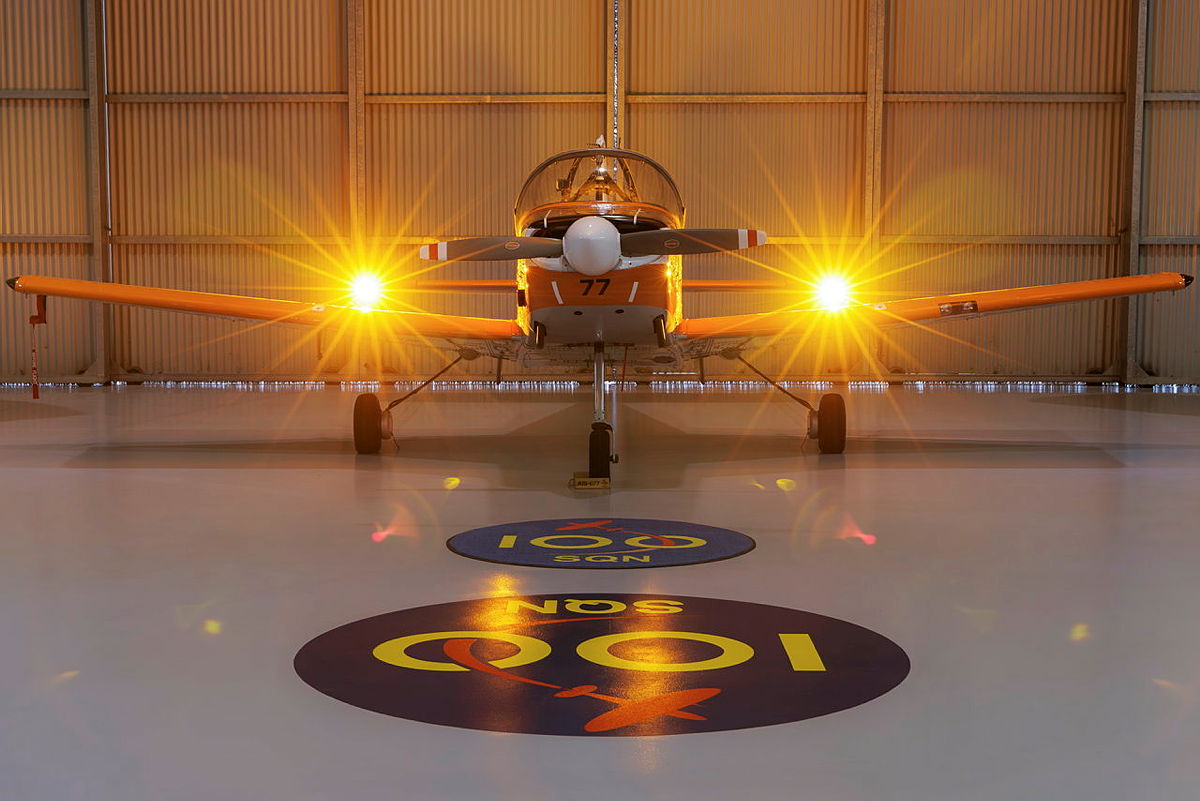
CAPTION: A CT4A in its hangar at RAAF Base Point Cook, Victoria.
Among those reflecting on the aircraft’s legacy was reservist Squadron Leader Peter Grieves, who completed his own first military flight in the same aircraft now entering retirement.
“There’ll be a lot of people catching up and sharing memories,” Squadron Leader Grieves said.
“Some of them were stressful memories, but still fond memories, especially here at Point Cook which teaches you to fly in just about every type of weather you can get.”
As the CT4A passed overhead for its final time in service, it served as a reminder that the aircraft’s greatest contribution was not the flying it performed itself, but the generations of military aviators it launched into service.
Long after the CT4A’s final landing, that legacy will continue to fly.
.
.
EDITOR’S NOTE: CONTACT believes RAAF is deliberately dropping ‘Royal Australian’ from its name – despite Defence formally assuring us it isn’t true. Campaigning against this name-change-by-stealth, CONTACT has amended the above report appropriately. See here for the back story
.
.

.
.
I was made responsible for introducing the CT4A Airtrainer to RAAF service in 1975. As a FLTLT serving at Central Flying School at the time, I had recently returned from a loan posting to the Royal Malaysian Air Force (Tentara Udara Diraja Malaysia) as a flying instructor at their Basic Flying Training School based at TUDM Alor Setar for a two year stint on their newly acquired Scottish Aviation Bulldog Trainer (and they lived up to their name, they were a dog!). The CT4 introduction was not smooth, with fierce opposition from the pro-Winjeel lobby, climb overheating, and a decided reluctance to enter a fully developed spin (unlike the Bulldog, which spun by just looking at it! The RAF lost a lot of Bulldogs to spins). I found the little Airtrainer a delight to fly and instruct in with refreshingly crisp handling and very nice to earobat. Its relatively high wing loading and low aspect ratio gave the student a nice introduction to induced drag problems on final approach to land, which prepared them for the need for strict adherence to correct and timely airspeed control. This aspect prepared them well to progress onto the jet phase of the pilot course. With the shortcomings largely ironed out, the little bird entered service to become our longest and safest basic pilot trainer. I am proud to have been involved so intimately with her introduction to service.